Why Cleanliness Matters More Than Ever in a Cafe
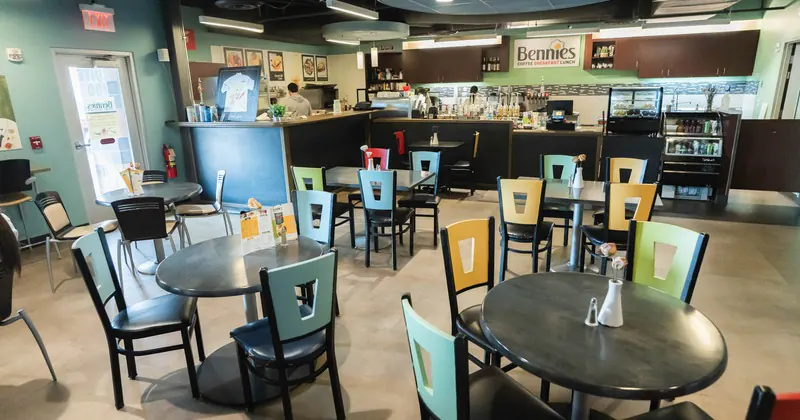
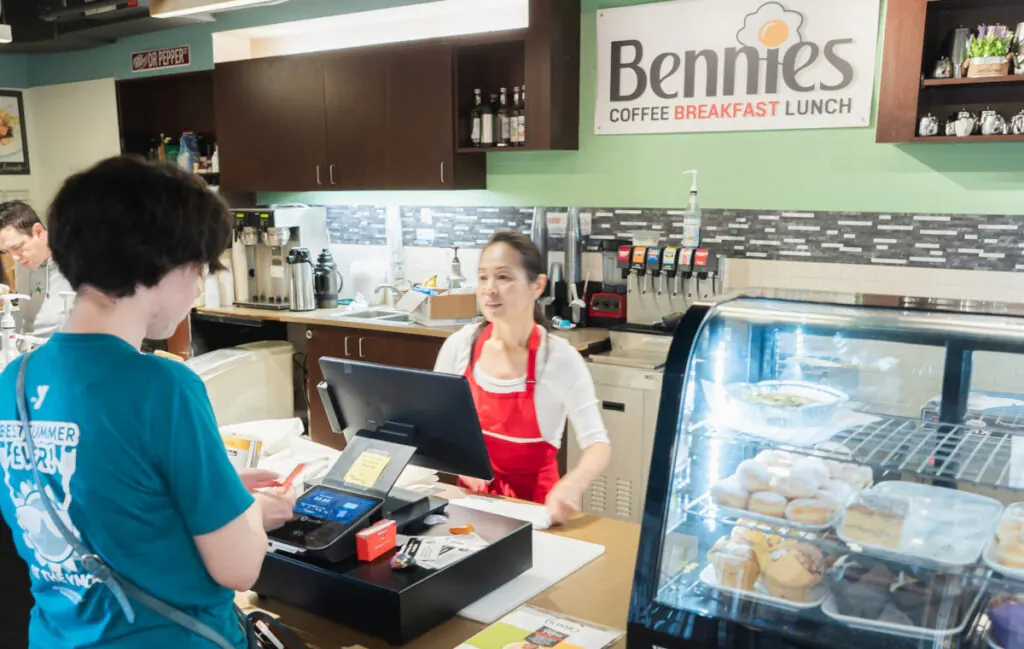

A clean cafe has always mattered, but the reasons have sharpened. Customers notice more, regulators expect more, and one weak point can ripple through service, reputation, staff morale, and profit in a matter of hours. What once passed as a minor oversight, a sticky menu, a milk crust on the steam wand, a restroom checked too late, now lands differently. People read those details as signals. They tell them whether your standards hold when the rush hits and whether the food and drink in front of them were prepared with care.
That shift is not just about public health headlines or changing habits. It is also about how people experience hospitality now. A cafe is no longer judged only by espresso quality or interior design. It is judged as a whole system. The guest sees the cup, the counter, the tray, the pastry case, the floor near the condiment station, the smell when they walk in, and the state of the bathroom on the way out. Cleanliness connects all of it. It shapes trust before the first sip.
Operators sometimes talk about cleanliness as if it sits off to the side, separate from service and separate from sales. In practice, it sits at the center. A clean cafe moves better, trains faster, wastes less, and earns more repeat business. It also gives staff a clearer sense of pride. People do better work in spaces that feel ordered and respected.
Customers decide quickly, often before they taste anything
Most guests form a first impression within seconds. They may not think in formal terms, but they are scanning. Is the glass free of fingerprints? Is the pastry shelf neat? Are the tables wiped properly or just pushed around with a damp cloth that leaves streaks? Does the handoff area look controlled or chaotic? None of those details requires a customer to be harsh. They simply register them, consciously or not, and use them to answer a quiet question: can I trust this place?
That trust matters more in a cafe than many owners realize because so much of the experience is visible. In a full-service restaurant, much of the cooking happens out of sight. In a cafe, guests often watch drinks being made. They see the milk pitcher rinsed, the cloth used on the steam wand, the shot glass, the portafilter, the scoop in the ice well, the way pastries are handled, and whether staff touch cup rims or straw ends. Visibility raises the standard.
I have seen beautifully designed cafes lose regulars over surprisingly small things. Not because the coffee was bad, but because the basics looked neglected. A cabinet under the condiment station with sticky syrup rings. A fridge gasket darkening at the edges. A display case with crumbs gathered in the corners by midmorning. Any one of those on its own may seem minor. Together they tell a story of drift. Customers pick up on drift very quickly.
The reverse is true as well. A compact neighborhood cafe with plain furniture and no luxury finishes can create deep loyalty if it feels impeccably cared for. Guests forgive a lot when the place feels clean, calm, and disciplined. They read that discipline as respect for them.
Cleanliness is not cosmetic, it is operational
There is a tendency to equate cleanliness with appearance alone. Appearance matters, but real cleanliness is an operating system. It determines whether ingredients stay safe, whether equipment performs well, whether workflows remain efficient, and whether staff can execute under pressure without making mistakes.
Take the espresso machine. A bar that looks polished from the customer side can still be dirty where it counts. Old coffee oils in baskets and screens flatten flavor. Milk residue on the steam wand creates hygiene risks and can affect texture. Drip trays that are not emptied and scrubbed on schedule become both a smell issue and a distraction during the rush. When stations are truly clean, baristas work faster because they are not fighting buildup, clutter, or missing tools.
The same holds in food prep. Cross-contact risks rise sharply in cramped cafe kitchens where staff move between baked goods, sandwiches, syrups, dairy, and grab-and-go items. Wiping a board is not the same as cleaning and sanitizing it. A cloth left in lukewarm sanitizer that has lost strength is not a detail, it is a failure point. The cleaner the setup, the easier it is to keep products safe and flavors consistent.
Owners often focus on front-of-house because that is what the guest sees, but some of the most serious problems begin behind a door. Dry storage gets crowded. Labels fade. Open bags are clipped but not dated. Under-counter fridges become catch-alls. A mop sink turns into a forgotten zone. None of this looks dramatic until it becomes dramatic. Then it becomes waste, a failed inspection, an equipment callout, or a staff argument at 7:30 a.m. When nobody can find what they need.
The link between cleanliness and food safety has become less forgiving
Public awareness around hygiene is higher than it was a decade ago. Customers may not know technical standards, but they know enough to spot carelessness. They expect visible sanitation, handwashing, clean high-touch surfaces, and reasonable separation between dirty and clean tasks. If they see a barista clear dishes, handle cash, then touch a lid or pastry without a reset, they notice.
Food safety in a cafe has its own pressure points. Milk sits at the center of many of them. It moves in and out of refrigeration constantly, is handled repeatedly, and can leave residue on pitchers, steam wands, counters, and cloths. Add in whipped cream canisters, alt-milk containers, cold brew taps, smoothie blenders, and ice bins, and you have a long list of items that can look fine while harboring buildup. “Looks clean” is not enough in a beverage-heavy business.
A professional standard usually depends on repeatable habits, not heroic effort. The strongest teams do small resets all day instead of waiting for a big cleanup later. That matters because once a cafe falls behind on cleanliness during service, it rarely catches up gracefully. The rush ends, staff are tired, and shortcuts become tempting. Then the close gets rushed, and the next opening shift inherits yesterday’s problems.
Reasonable routines often separate high-performing cafes from the rest:
- Clean as you go, especially at the espresso station and pastry case.
- Treat cloth management seriously, with fresh solution and clear separation by task.
- Check restrooms and customer touchpoints on a timed schedule, not by guesswork.
- Break down and deep clean beverage equipment often enough to prevent hidden residue.
- Build opening and closing checklists that match the actual workflow, not an idealized one.
That kind of discipline sounds simple. It is simple. It is also easy to neglect when labor is tight, sales spike unexpectedly, or a new manager wants to prioritize speed above all else. The trick is to understand that cleanliness does not compete with speed for very long. Once standards slip, speed usually slips too.
The guest experience is sensory, and cleanliness shapes every sense
People often talk about visual cleanliness, but a cafe is judged through smell, touch, and sound as well. Walk into a room that smells faintly sour near the bar, and the customer relaxes less, even if they cannot identify the source. Sit at a table that rocks because syrup has hardened on the base and the floor beneath it has not been scrubbed properly, and the whole visit feels cheaper. Pick up a ceramic cup with lipstick residue that survived the dishwasher, and trust is gone immediately.
Even the acoustics change when a space is cared for. A well-run cafe has a certain crispness to it. Cups are stacked intentionally. Trash is not overfilled. Bus tubs are not clattering around with old spoons and wet napkins. Staff are not hunting through cluttered drawers while orders pile up. The room feels more composed. Guests stay longer when they are comfortable, and they spend more when the environment feels settled.
This is especially true for cafes that rely on dwell time, laptop users, meetings, and neighborhood regulars. Those guests are not just buying a drink. They are buying confidence that the space is fit to sit in for an Cafe hour or two. A grimy baseboard may not drive out someone grabbing a takeaway cappuccino, but it can absolutely affect someone choosing between your cafe and the one two blocks over where the seating feels better maintained.
Cleanliness protects your brand in an era of instant visibility
A cafe used to have more room to recover quietly from a bad day. That is less true now. Guests post photos, write reviews, share videos, and message friends in real time. One image of mold around a fridge seal, fruit flies in the pastry case, or a filthy restroom can travel faster than any explanation. The damage is not always dramatic, but it is often lasting.
What makes this harder is that cleanliness complaints are unusually believable. If someone says your seasonal drink was too sweet, others may shrug. Taste is subjective. If someone says the bathroom was dirty or there were smudges on every glass door, people believe it immediately because they can imagine it. Hygiene concerns spread faster than quality complaints because they trigger caution.
This does not mean cafes should perform cleanliness for social media. Customers can tell the difference between a staged wipe-down and a genuinely well-kept operation. The real protection comes from systems that hold up whether or not anyone is watching. If your standards are real, staff do the right things in the quiet hour between breakfast and lunch, not just when the owner is standing by the till.
There is also a subtler branding effect. Cleanliness reinforces identity. If your cafe positions itself as artisanal, local, and careful, a neglected service station undermines the entire story. If you market speed and convenience, cluttered counters and sticky self-serve areas say your systems do not work. Brand promises fail quickest at the level of maintenance.
Staff performance rises or falls with the state of the space
Employees read a workplace just as clearly as customers do. A clean cafe tells staff that standards matter, that someone is paying attention, and that their work has shape. A messy, badly maintained one sends the opposite message. It says details do not matter much here, so people begin acting accordingly.
This has practical consequences. Training is easier in a clean environment because there is a visible right way to do things. New hires can follow station logic, find tools, and see what “set up properly” means. In a disorganized space, every task takes longer to explain because nothing is where it should be and each shift has invented its own workaround.
Morale is also tied to fairness. Staff resent cleaning most when the burden feels uneven or standards feel arbitrary. If one closer leaves syrup crust on the bar and the morning team has to fix it, resentment builds fast. If managers bark about fingerprints on the front door but ignore a broken hand sink in the back, employees see the hypocrisy. Strong cafe managers understand that cleanliness must be shared, visible, and supported by functioning equipment and reasonable labor planning.
A surprising amount of conflict disappears when roles are clearer and the environment is cleaner. People stop blaming one another for delays when the blender is where it belongs, the lids are stocked, the sanitizer is fresh, and the bus station is not overflowing. Good systems reduce friction. Cleanliness is one of the clearest expressions of those systems.
The financial case is stronger than many owners think
Some operators still treat cleaning time as overhead to be minimized. That is short-sighted. Cleanliness pays back in several direct ways, and some of them are measurable.
Equipment lasts longer when it is cleaned properly. Espresso machines, grinders, refrigeration units, ovens, ice machines, and dishwashers all perform better with regular maintenance and sanitation. Neglect leads to service calls, part replacements, and downtime. Anyone who has had an ice machine go out on a hot weekend or a grinder choke during morning peak knows how quickly a “small” maintenance issue becomes lost revenue.
Waste also drops. Proper storage, labeling, rotation, bennies.cafe Cafe and spill control protect margins. Milk discarded because a jug sat out too long, pastries tossed because the display was not managed neatly, fruit flies triggered by a syrup spill no one addressed, all of it costs money. So do refunds and comps when a customer receives a visibly dirty cup or complains about a table left uncleared too long.
Then there is labor efficiency. Dirty, cluttered spaces create hidden labor. Staff spend extra minutes searching, re-washing, unblocking, moving things, and apologizing. Those minutes do not show up neatly on a profit and loss statement, but they are real. Across a week, they can amount to several paid hours that produced no guest value.
The gains from better cleanliness usually show up in a few predictable places:
- fewer customer complaints tied to environment
- lower equipment downtime
- less product waste from mishandling or poor storage
- faster turnover on tables and service stations
- stronger repeat business from regulars who trust the space
None of this means a cafe must chase sterile perfection. Hospitality still matters. Guests do not expect a laboratory. They expect a place that feels fresh, safe, and competently run. There is a difference between lived-in warmth and neglect. Skilled operators know where that line sits.
Restrooms tell the truth
If you want a fast read on the standards of a cafe, check the restroom. Customers do this instinctively because the restroom is hard to fake for long. It reveals whether checks are regular, whether supplies are stocked, whether odors are managed, whether fixtures are repaired promptly, and whether the team treats cleaning as a real task or a last-minute patch.
A clean restroom does more than avoid complaints. It completes the customer experience. Guests may tolerate a queue at the bar if the rest of the space feels controlled. They are far less forgiving when the bathroom suggests nobody is minding the details. Parents with children notice this quickly. So do older guests, commuters, and anyone deciding whether to become a regular.
Restrooms are also one of the clearest examples of why schedules matter. Without a timed check system, people assume someone else looked after it. In busy cafes, that assumption can hold for hours. The result is predictable. Overflowing bins, empty soap, wet floors, and a bad final impression right before the customer leaves.
Cleanliness standards should match the concept, but never drop below the basics
Not every cafe operates the same way. A high-volume commuter spot with mostly takeaway traffic faces different pressures than a quiet all-day neighborhood cafe with plated brunch. A bakery cafe with flour in the air will never look identical to a minimalist espresso bar. Standards should fit the concept, but the fundamentals do not change.
Those fundamentals include safe food handling, clean guest touchpoints, well-maintained equipment, proper waste management, and an environment that looks intentionally cared for. Customers are usually reasonable about signs of active business. They understand a few cups at the dish station during a rush. They do not accept grime, odor, or obvious neglect.
There are edge cases worth acknowledging. Some older buildings make spotless presentation harder. Tiny back bars crowd staff movement. Heritage tiles stain easily. A rainy day can destroy your floor every fifteen minutes. None of that excuses weak standards, but it does require judgment. The answer is often smarter process rather than more scolding: extra mats at the entrance, different cloth systems, more frequent floor checks at the front, tighter storage design, or a revised close so trouble spots get the time they need.
Leadership sets the ceiling
Cleanliness culture almost always reflects leadership. Staff rarely maintain standards that owners and managers do not model. If leaders step over spills, tolerate half-done closes, or treat cleaning as punishment rather than professionalism, the team absorbs that message instantly.
The best cafe leaders make cleanliness visible without making it theatrical. They check details, ask practical questions, fix broken tools quickly, and explain why standards exist. They also avoid a common mistake, which is confusing intensity with consistency. Barking about one dirty shelf once a month does far less than maintaining simple, steady expectations every day.
Recognition matters too. Teams should hear when the cafe looks sharp after a difficult service, when a new storage setup reduces mess, or when a closer leaves an opening shift a great station. Cleanliness work is often invisible when done well. Good managers make sure it is noticed.
What customers really mean when they say a cafe feels “nice”
When guests describe a cafe as nice, cozy, polished, or welcoming, cleanliness is often part of what they mean, even if they do not say it directly. They are responding to the absence of friction. Nothing feels sticky, stale, chaotic, or overlooked. The room lets them settle in. Their attention stays on the coffee, the conversation, or the quiet moment they came for.
That is why cleanliness matters more than ever in a cafe. It is no longer a background task. It is a visible promise, a safety practice, an efficiency tool, and a brand asset all at once. It protects the guest and supports the team. It reduces waste and strengthens trust. It turns a one-time visit into a regular habit.
Coffee quality can bring people through the door. Cleanliness often decides whether they come back.
Bennies Cafe
17230 Jackson Creek Pkwy Ste 100, Monument, CO 80132
+1 719-445-0660
FAQ About Cafe
What is considered a café?
A café is generally an informal place to enjoy refreshments and a meal. Bennies Cafe in Monument serves breakfast and lunch in a counter-service setting, with options including eggs Benedict, sandwiches and crepes. Guests can eat in or arrange pickup.
What is the difference between a coffee shop and a café?
The terms often overlap. A coffee shop usually emphasizes coffee and other drinks, while a café may offer a broader food menu. Check the individual establishment's menu rather than relying on its name. Bennies Cafe offers coffee drinks alongside breakfast and lunch dishes.
What is the difference between café and coffee?
In everyday English, a café is a place where people buy food and drinks, while coffee is the beverage. The word café comes from the French word for coffee. Bennies Cafe serves options such as brewed coffee, espresso and lattes as part of its drinks menu.